publications
Welcome to my publications section! Here you’ll find a curated selection of my work, including journal articles and conference papers. While this list is still short and growing, it reflects some areas I am passionate about and the research I’ve been involved in.
2026
- A Generalizable Retrieval-Augmented LLM Framework for PRISMA-Aligned Systematic ReviewsRomeo Silvestri, Massimo Vecchio, Miguel Pincheira, and 1 more author2026Preprint available at SSRN. Under review at Expert Systems with Applications (Elsevier)
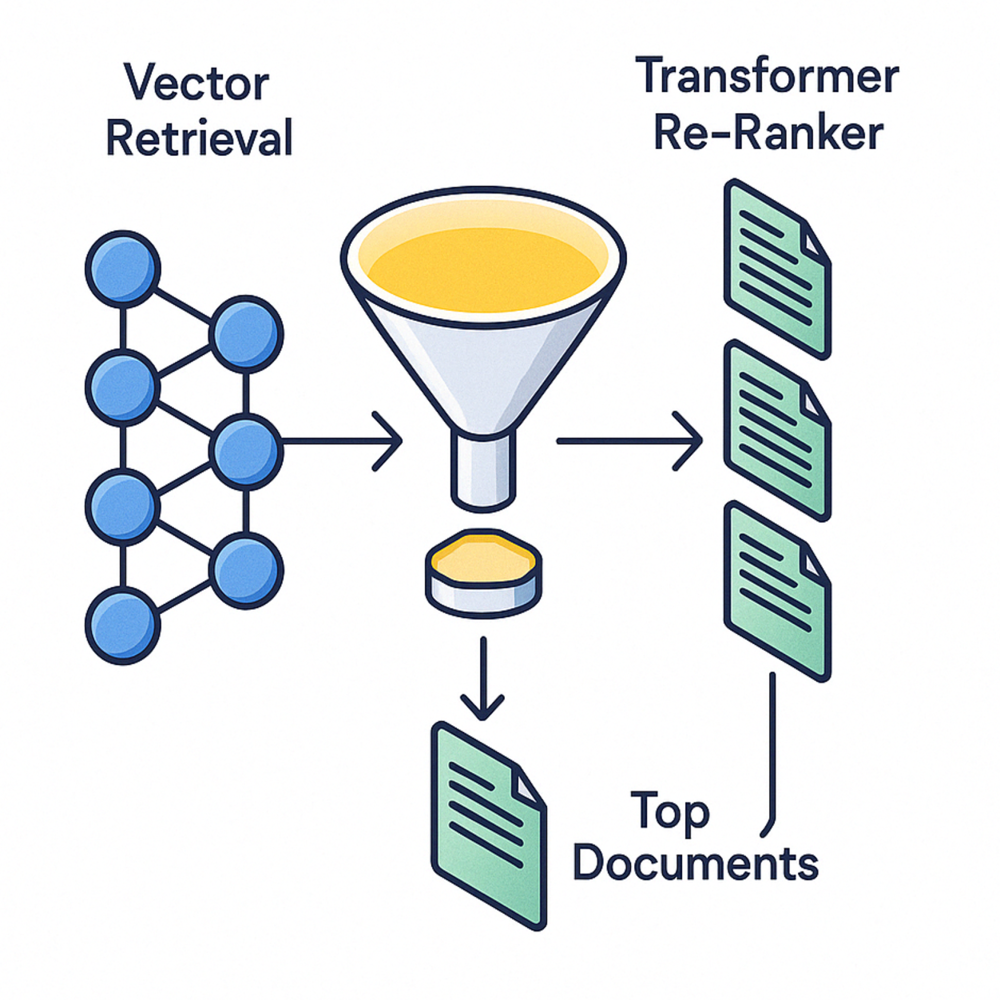
Systematic reviews and meta-analyses are essential for advancing scientific research, but they are time-consuming, labor-intensive, and prone to human error during literature selection and data extraction. This paper proposes a framework that integrates Large Language Models (LLMs) and retrieval-augmented generation (RAG) into the PRISMA 2020 workflow to automate and standardize key review tasks, enhancing transparency, completeness, and up-to-date reporting. The framework uses structured query templates to ensure reproducible bibliographic searches, an LLM-driven pipeline for title and abstract screening, and a RAG-based full-text assessment in which articles are segmented, encoded as dense vector embeddings, and retrieved for generative evaluation against inclusion and exclusion criteria. Beyond selecting relevant papers, the framework also extracts specific information from documents, such as application details or datasets, and harmonizes it into a standardized metadata schema. Automated tasks are supported by predefined fallback strategies, with human oversight reserved for borderline decisions. To evaluate our proposal, we performed an experimental validation using an existing systematic literature review as a reference. The framework achieved an article detection rate of 72.34% and an extraction accuracy of 85.11% for domain-specific information. Furthermore, the framework identified 25 additional data sources not reported in the original review. These results demonstrate that the proposed framework can effectively assist in both identifying relevant studies and extracting additional information, substantially accelerating systematic reviews while maintaining alignment with the PRISMA 2020 guidelines.
@misc{silvestri2026rag,
  title = {A Generalizable Retrieval-Augmented LLM Framework for PRISMA-Aligned Systematic Reviews},
  author = {Silvestri, Romeo and Vecchio, Massimo and Pincheira, Miguel and Antonelli, Fabio},
  year = {2026},
  note = {Preprint available at SSRN. Under review at Expert Systems with Applications (Elsevier)},
}
2025
- IEEE MetroInd (under review)
 Deep Reinforcement Learning for Irrigation Optimization Using a Digital Twin of Crop-Soil DynamicsRomeo Silvestri, Massimo Vecchio, Miguel Pincheira, and 1 more author2025
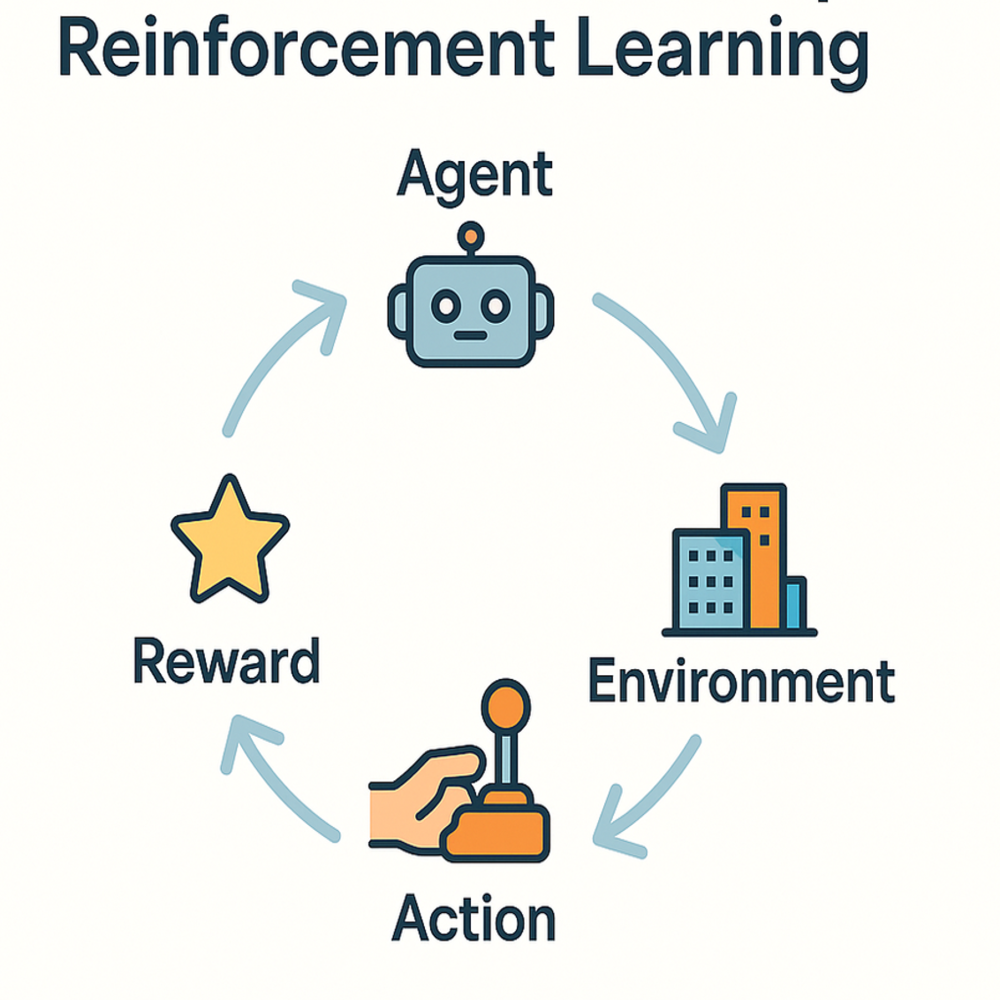
Irrigation management is a key challenge in modern agriculture, where water scarcity and climate variability demand smarter, data-driven decision systems. We propose a deep reinforcement learning (DRL) framework for irrigation scheduling based on a digital twin of crop-soil dynamics. Synthetic multiyear weather scenarios are generated from historical climate data via a KNN bootstrap resampling procedure, ensuring broad climatic coverage across training conditions. Daily soil water tension is estimated from meteorological inputs and field measurements using a linear autoregressive model with exogenous variables (ARX), while AquaCrop handles crop biomass simulation under varying irrigation events. A DRL agent is then trained within this simulated environment using the Proximal Policy Optimization (PPO) algorithm to learn an irrigation policy balancing crop productivity against water consumption. The framework is assessed on field data collected from a vineyard in the Val d’Adige region of Trentino, Italy, over the 2023 and 2024 irrigation seasons. Preliminary results show that the synthetic weather data reproduces the statistical properties of the historical climate record, the ARX soil tension model achieves an R² of 0.956 on held-out test data, and the DRL component provides initial evidence that irrigation strategies broadly consistent with validated fuzzy decision support systems can be learned without requiring expert-defined rules.
@unpublished{silvestri2025rl, title = {Deep Reinforcement Learning for Irrigation Optimization Using a Digital Twin of Crop-Soil Dynamics}, author = {Silvestri, Romeo and Vecchio, Massimo and Pincheira, Miguel and Antonelli, Fabio}, year = {2025}, } - Smart Irrigation with Fuzzy Decision Support Systems in Trentino VineyardsRomeo Silvestri, Massimo Vecchio, Miguel Pincheira, and 1 more authorSensors, 2025
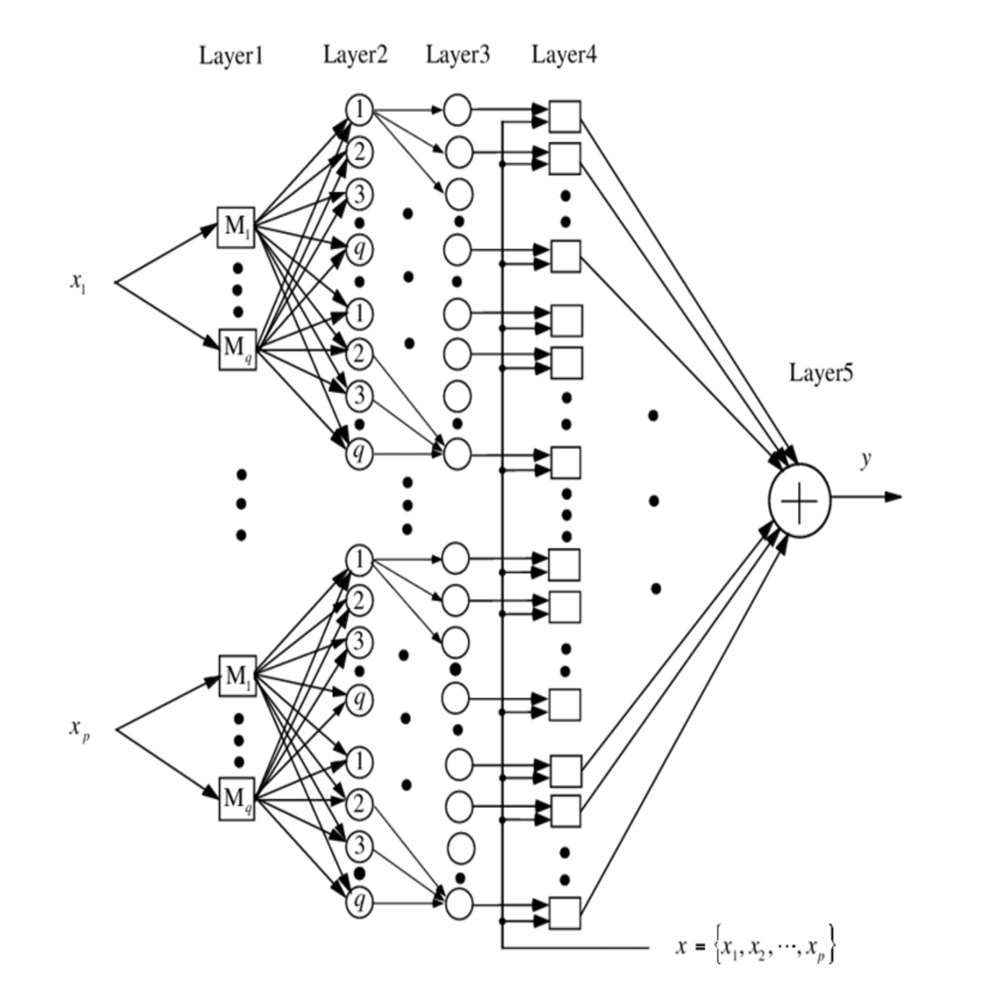
Efficient water management is a critical challenge for modern agriculture, particularly in the context of increasing climate variability and limited freshwater resources. This study presents a comparative field-based evaluation of two fuzzy-logic-based irrigation decision support systems for vineyard management: a Mamdani-type controller with expert-defined rules and a Takagi–Sugeno system designed to enable automated learning from ultra-local historical field data. Both systems integrate soil moisture sensing, short-term forecasting, and weather predictions to provide optimized irrigation recommendations. The evaluation combines counterfactual simulations with a bootstrap-based statistical analysis to assess water use efficiency, soil moisture control, and robustness to environmental variability. The comparison highlights distinct strengths of the two approaches, revealing trade-offs between water conservation and crop stress mitigation, and offering practical insights for the design and deployment of intelligent irrigation management solutions.
@article{silvestri2025smart, title = {Smart Irrigation with Fuzzy Decision Support Systems in Trentino Vineyards}, author = {Silvestri, Romeo and Vecchio, Massimo and Pincheira, Miguel and Antonelli, Fabio}, journal = {Sensors}, volume = {25}, number = {23}, pages = {7188}, year = {2025}, publisher = {MDPI}, } - IEEE CoDIT
 A Fuzzy Decision Support System to Optimize Irrigation Practices in Trentino RegionRomeo Silvestri, Massimo Vecchio, and Fabio AntonelliIn 2025 11th International Conference on Control, Decision and Information Technologies (CoDIT), 2025
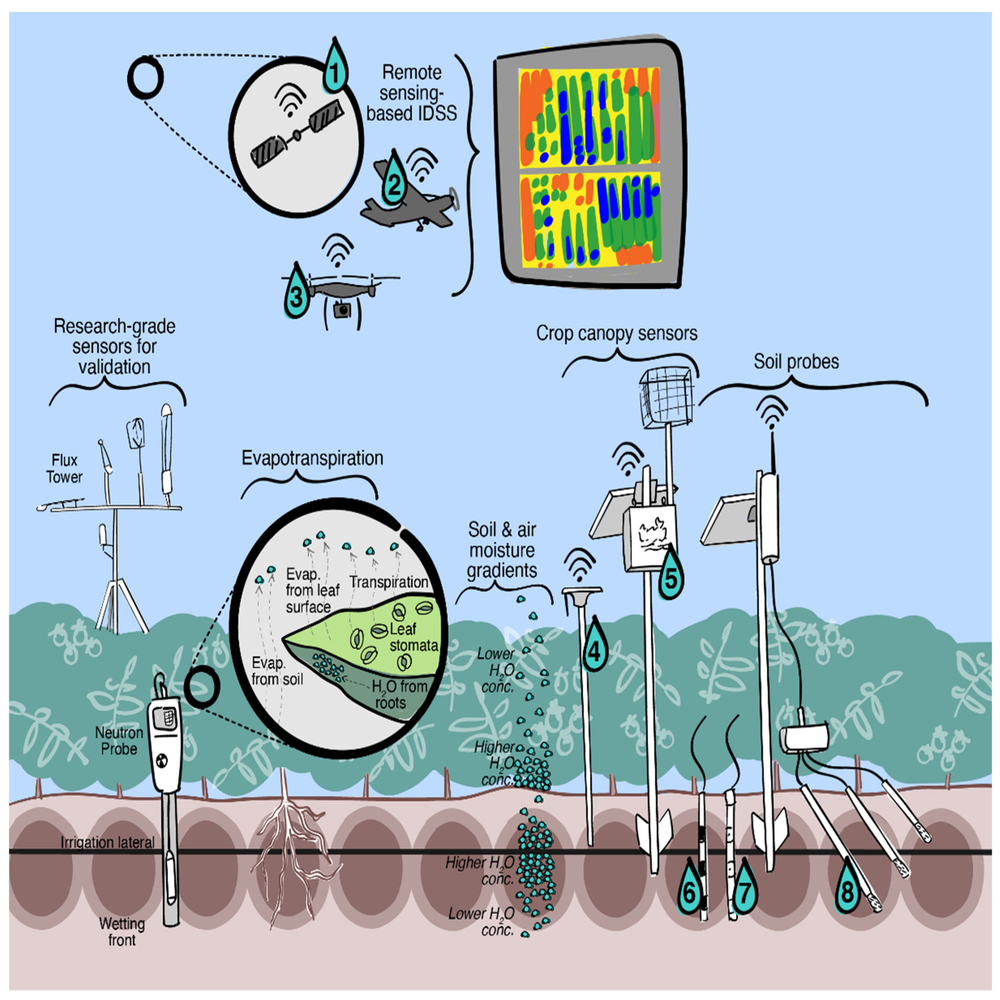
This paper presents the development and evaluation of a Fuzzy Decision Support System for irrigation management to promote sustainable water use in precision agriculture. A Mamdani-type fuzzy logic model was designed to optimize irrigation scheduling for vineyards in the Val d’Adige region of Trentino, Italy. The system integrates expert knowledge with real-time data from tensiometers and weather stations to generate adaptive, site-specific recommendations. Bayesian optimization was used to fine-tune the membership functions of fuzzy variables, enhancing system performance. Field evaluations conducted in 2023 across multiple sectors assessed total water use, average soil moisture, and days exceeding critical moisture thresholds. Results show that the system reduced total water consumption by over 52% compared to traditional methods while maintaining soil moisture within optimal levels. These findings underscore the potential of combining fuzzy logic and IoT-based sensing to support scalable, adaptive irrigation strategies across various crops and regions.
@inproceedings{codit25,
  author = {Silvestri, Romeo and Vecchio, Massimo and Antonelli, Fabio},
  booktitle = {2025 11th International Conference on Control, Decision and Information Technologies (CoDIT)},
  title = {A Fuzzy Decision Support System to Optimize Irrigation Practices in Trentino Region},
  pages = {1-6},
  volume = {1},
  year = {2025},
}
2024
- Comparative Analysis of Soil Moisture Interpolation Techniques in Apple Orchards of Trentino RegionRomeo Silvestri, Massimo Vecchio, Miguel Pincheira, and 1 more authorIn 2024 IEEE International Workshop on Metrology for Agriculture and Forestry (MetroAgriFor), 2024
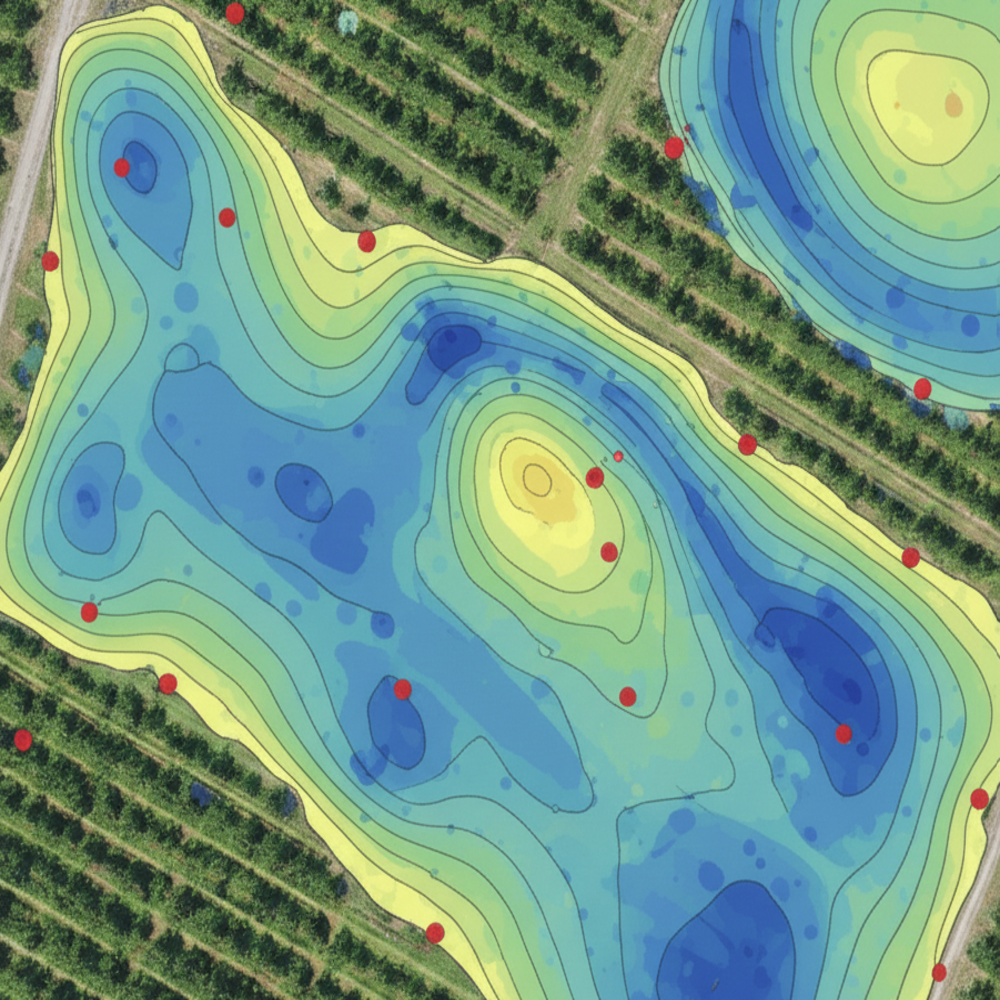
This paper provides valuable insights into the application of spatial interpolation techniques in smart agriculture and highlights the potential for further improvements through the integration of advanced geostatistical models. Specifically, it evaluates and compares two spatial interpolation techniques, Inverse Distance Weighting and Ordinary Kriging, for estimating soil moisture in apple orchards located in the Val di Non region of Trentino, Italy. Data were gathered from 18 tensiometer sensors deployed across the apple orchards, providing continuous soil moisture measurements over a specified time frame in 2023. The accuracy of both interpolation methods was assessed using root mean square error as the primary evaluation metric, with various validation methods employed to ensure robustness. Additionally, statistical analyses were conducted to determine the significance of differences in performance between the methods. The results indicate that Inverse Distance Weighting, despite its computational efficiency, slightly outperforms Ordinary Kriging in terms of accuracy, with statistically significant lower error values, making it a preferable choice for real-time soil moisture mapping and precision irrigation management in the region.
@inproceedings{silvestri2024comparative,
  title = {Comparative Analysis of Soil Moisture Interpolation Techniques in Apple Orchards of Trentino Region},
  author = {Silvestri, Romeo and Vecchio, Massimo and Pincheira, Miguel and Antonelli, Fabio},
  booktitle = {2024 IEEE International Workshop on Metrology for Agriculture and Forestry (MetroAgriFor)},
  pages = {557--562},
  year = {2024},
  organization = {IEEE},
}